

Why Layout Is More Important Than Style (And Always Comes First)
Most people think a beautiful home starts with style.
It doesn’t.
It starts with layout.
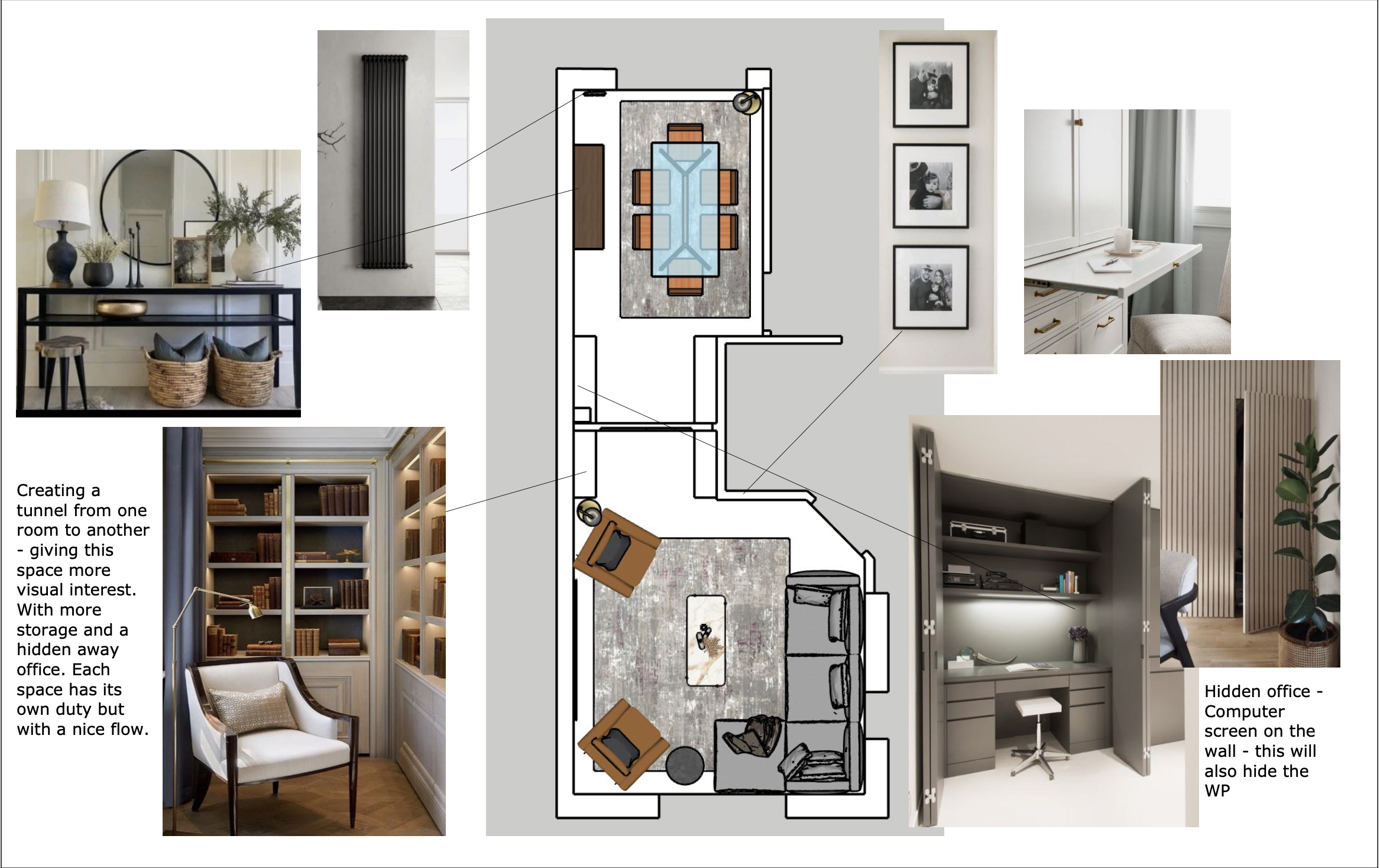
One of three layout concepts developed for a client — exploring different ways the space could work before any design decisions were made.
Before the tiles. Before the colour palette. Before the “what vibe are we going for?” conversations - there is structure. And if the structure isn’t right, no amount of styling will fix it.
In every renovation I design at JCavaree Interiors - from family homes in Hertfordshire to projects in St Albans, Radlett, Harpenden, and North London - layout comes first. Always.
Because layout determines how you live. Style simply determines how it looks.
Here’s why.
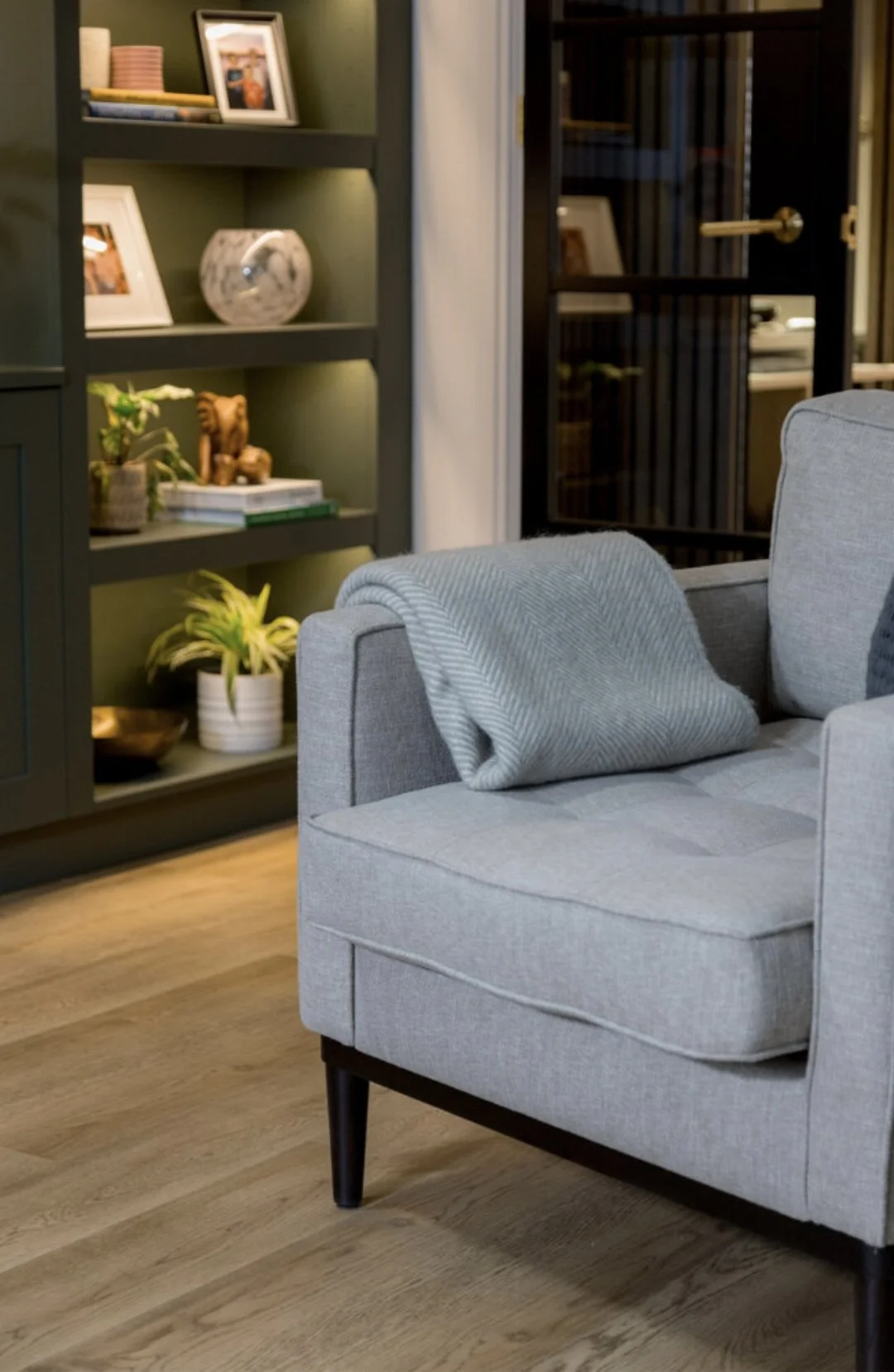
Image of a finished design in Hertfordshire
1. Flow: How the Home Moves
Flow is how effortlessly you move through a space.
It’s the distance between the fridge and the hob. The path from the hallway to the kitchen. The way you move around an island. The ease of carrying laundry upstairs.
When flow isn’t considered:
Rooms feel cramped, even when they’re large
Furniture placement feels awkward
Congested areas form in high-traffic spots
Daily tasks become frustrating
Good flow is invisible. You don’t notice it - you simply feel that everything works.
Poor flow is draining.
Layout planning considers circulation patterns before walls are finalised. It anticipates movement and friction points long before the build begins.
That’s not styling. That’s strategy.
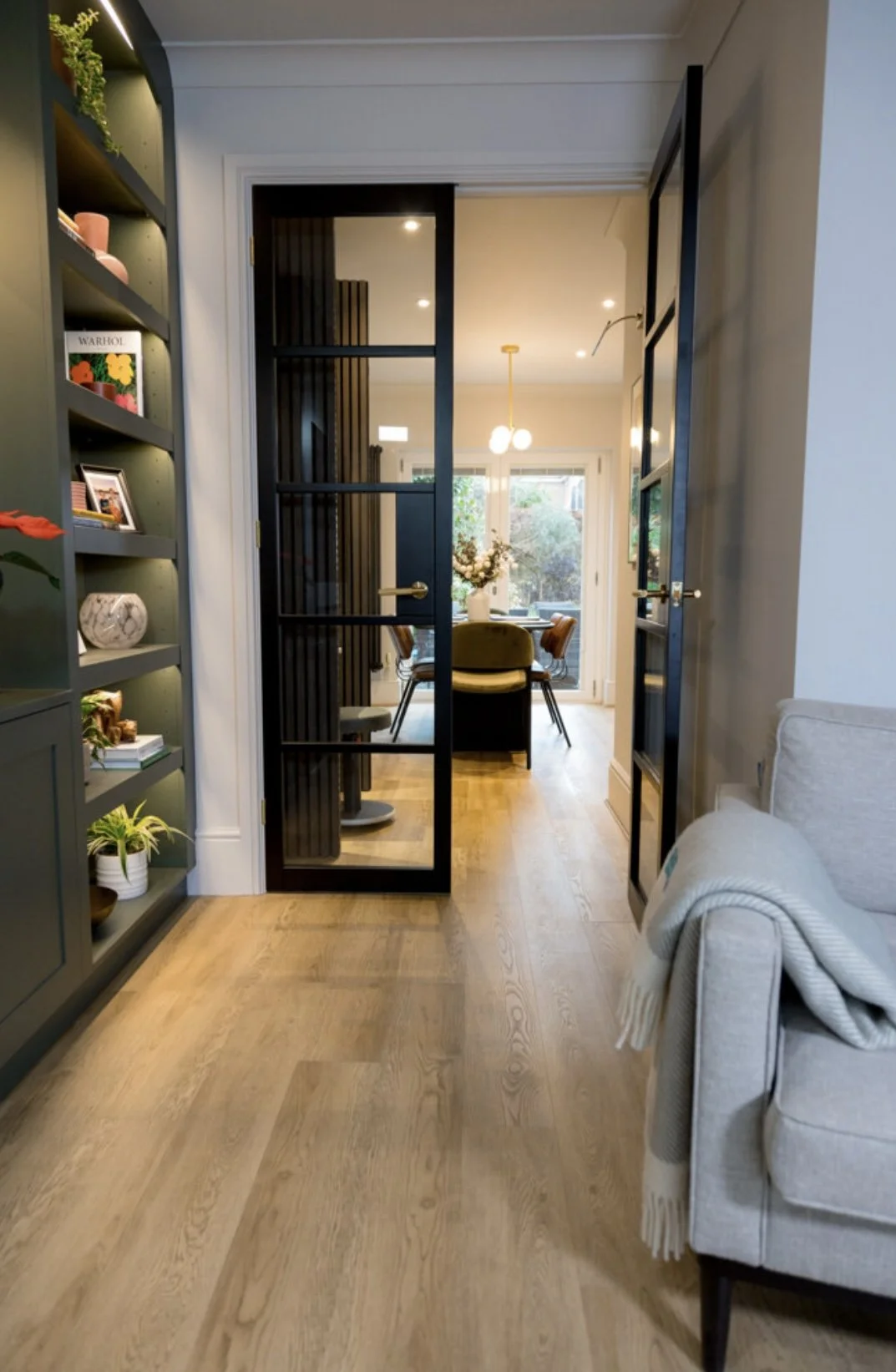
Understanding natural light
2. Natural Light: Designing Around It, Not Against It
Light is architecture.
Across the homes I design in Hertfordshire and St Albans, I see it time and again is layouts drawn without truly considering how daylight moves through the house.
Before I finalise any layout at JCavaree Interiors, I assess:
Where the sun rises and sets
Which spaces receive morning light
Where we want warmth in the evening
Whether key areas are sitting in shadow
Remember you can’t reposition windows once the build begins.
Layout decisions lock natural light in from the start.
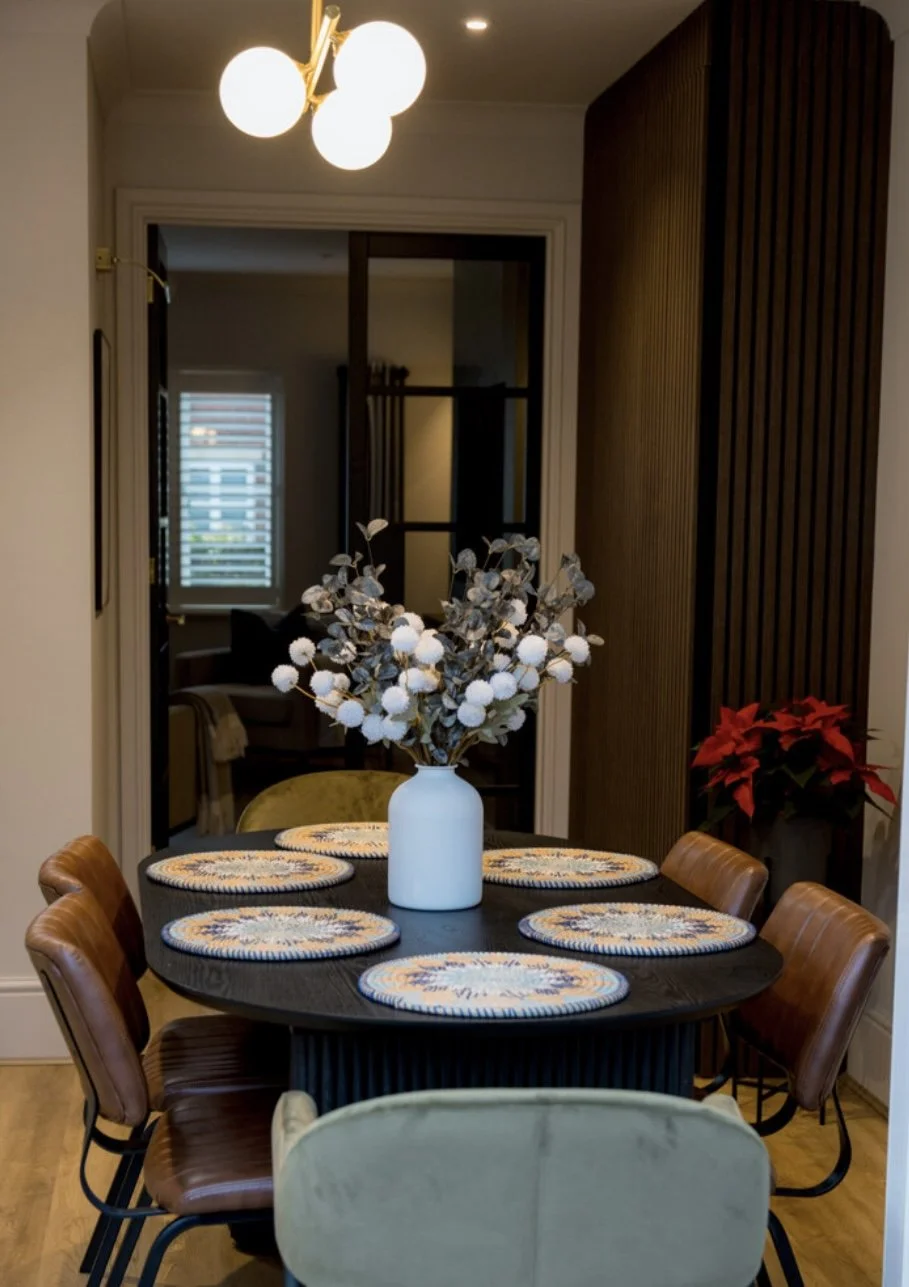
Above image from the opposite view.
3.Storage Integration: Designed In, Not Added On
Storage should never feel like an afterthought.
If layout doesn’t allow for integrated storage:
You rely on freestanding furniture
Clutter creeps in
Corners become wasted
Rooms never feel calm
The most successful renovations design storage into the structure:
Full-height joinery
Hidden utility cupboards
Hallway panelling concealing coats and shoes
Bedroom partition walls with wardrobes behind (a favourite of mine)
Window seats with concealed storage
When storage is integrated early, the home feels effortless.
When it’s added later, it feels reactive.
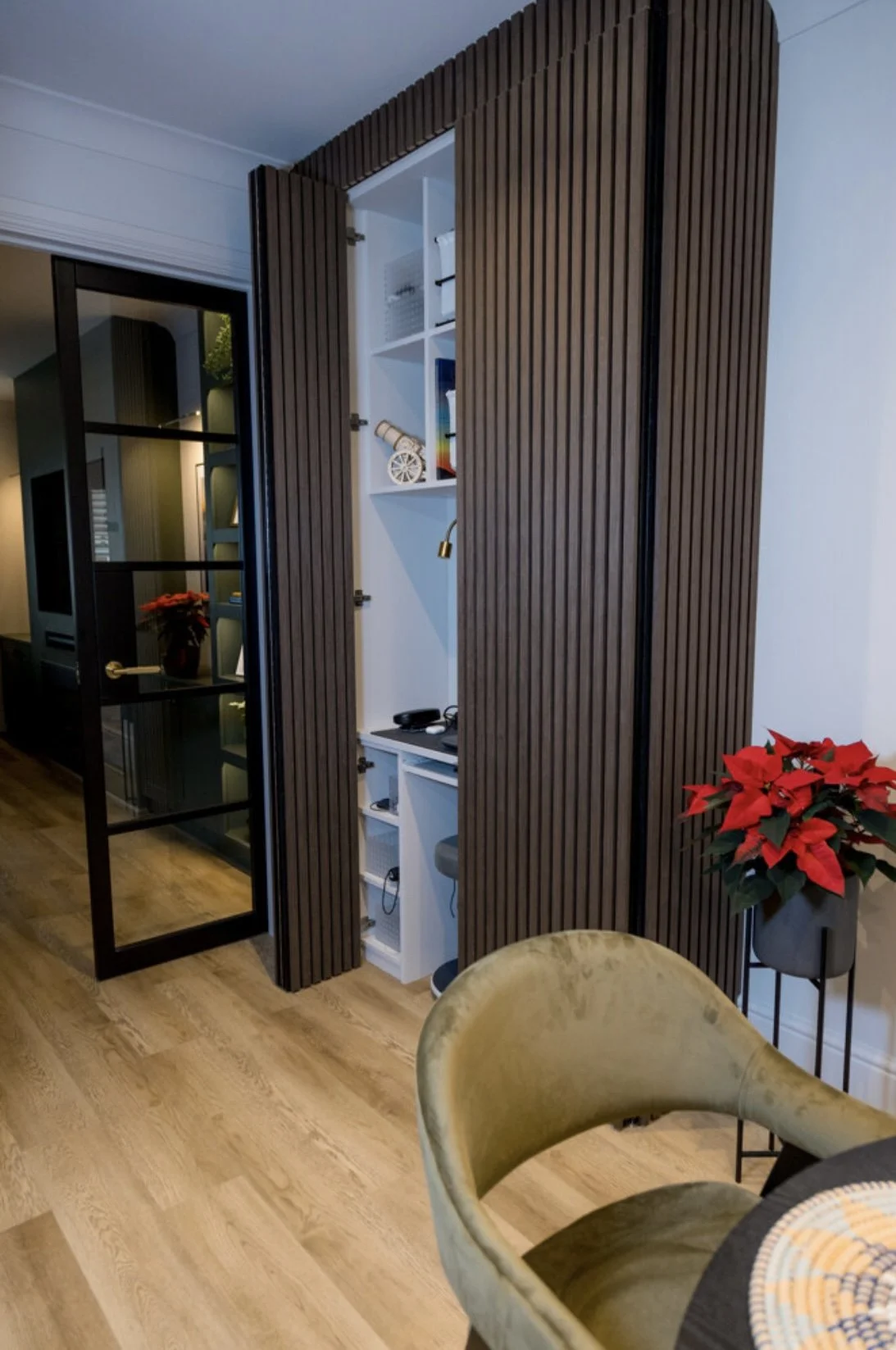
Check out this hidden office we designed
There are, of course, several other important elements to consider when planning your layout — but I hope this gives you a clearer sense of where to begin.
If it’s something you’d like expert guidance on, feel free to email me at jess@jcavareeinteriors.com.
I hope you enjoyed this blog.
I’ll see you next week.
Love