

So you’re planning a home renovation in 2027 and you don’t know where or how to start. I created this blog to hopefully guide you in the right direction.
Understanding how you want your home to function.
Below, I’ve shared a few of the questions I ask my clients before starting any interior design project.
These questions help me understand how my clients use each room in their day-to-day lives, allowing me to create a layout that not only looks beautiful but also works practically for them.
I recently shared an example of this over on my Instagram Stories, where I talked about something as simple as where you store your cutlery, plates and everyday kitchen essentials.
For example, could your cutlery and plate drawers be positioned closer to the dishwasher, making unloading and putting everything away that little bit easier?
It might seem like a small detail, but it's these thoughtful decisions that make a home work effortlessly around your everyday routines.
Good design isn't just about how a space looks, but how it works for the people living in it.
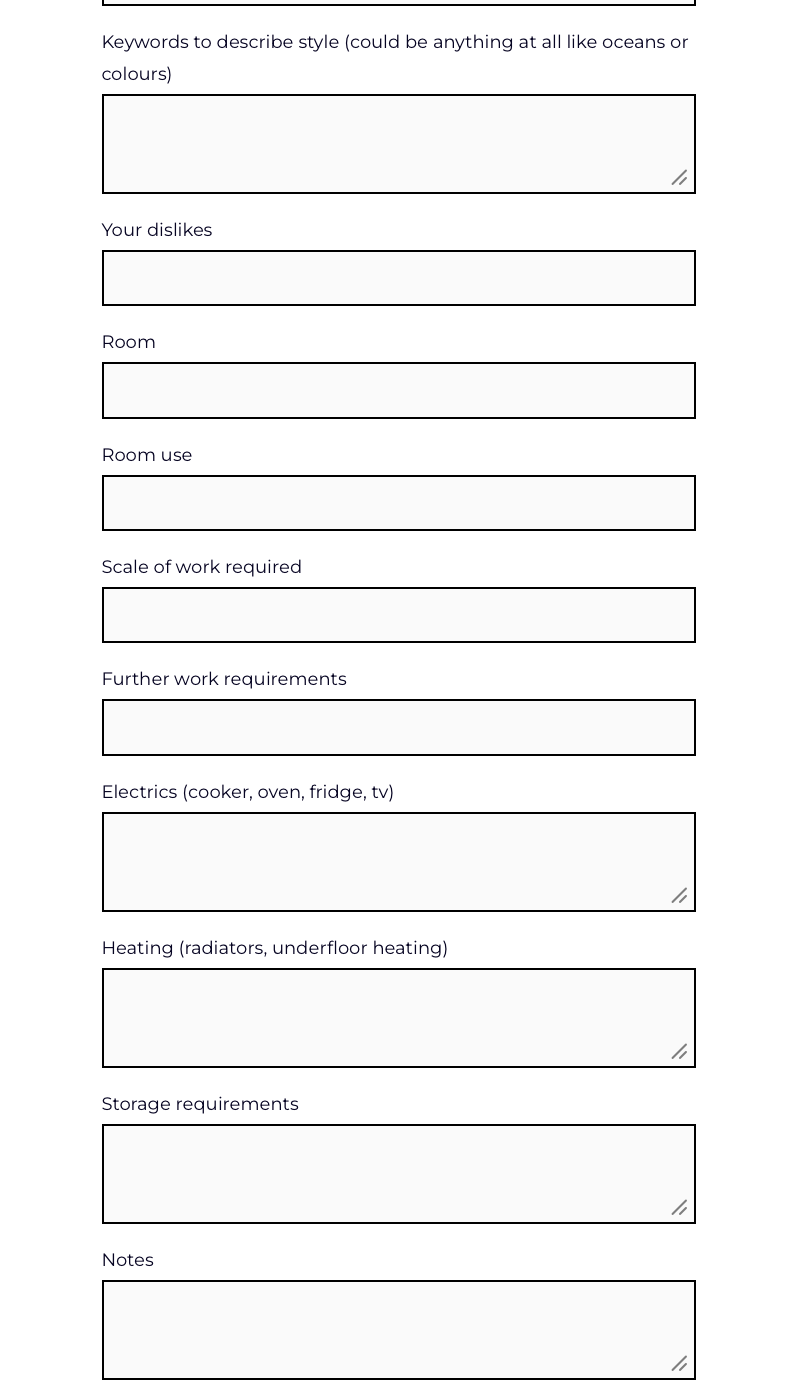
Part of JCavaree Interiors questionnaire.
Getting your furniture layout right before building work.
This is probably one of the most important decisions you’ll make when planning your home.
Getting the layout right from the beginning allows you to understand the size and positioning of your furniture, while considering natural light, views from windows and how you move between spaces. It’s also the perfect opportunity to explore potential structural changes and incorporate clever storage solutions.
The example below is from one of our projects in Radlett. The architect originally proposed the first floor plan, but by carefully considering how the clients would use each space, I was able to develop an alternative layout that made better use of the available space.
The result? More usable space in each room, improved flow and a layout that worked far better for the clients and their everyday needs.
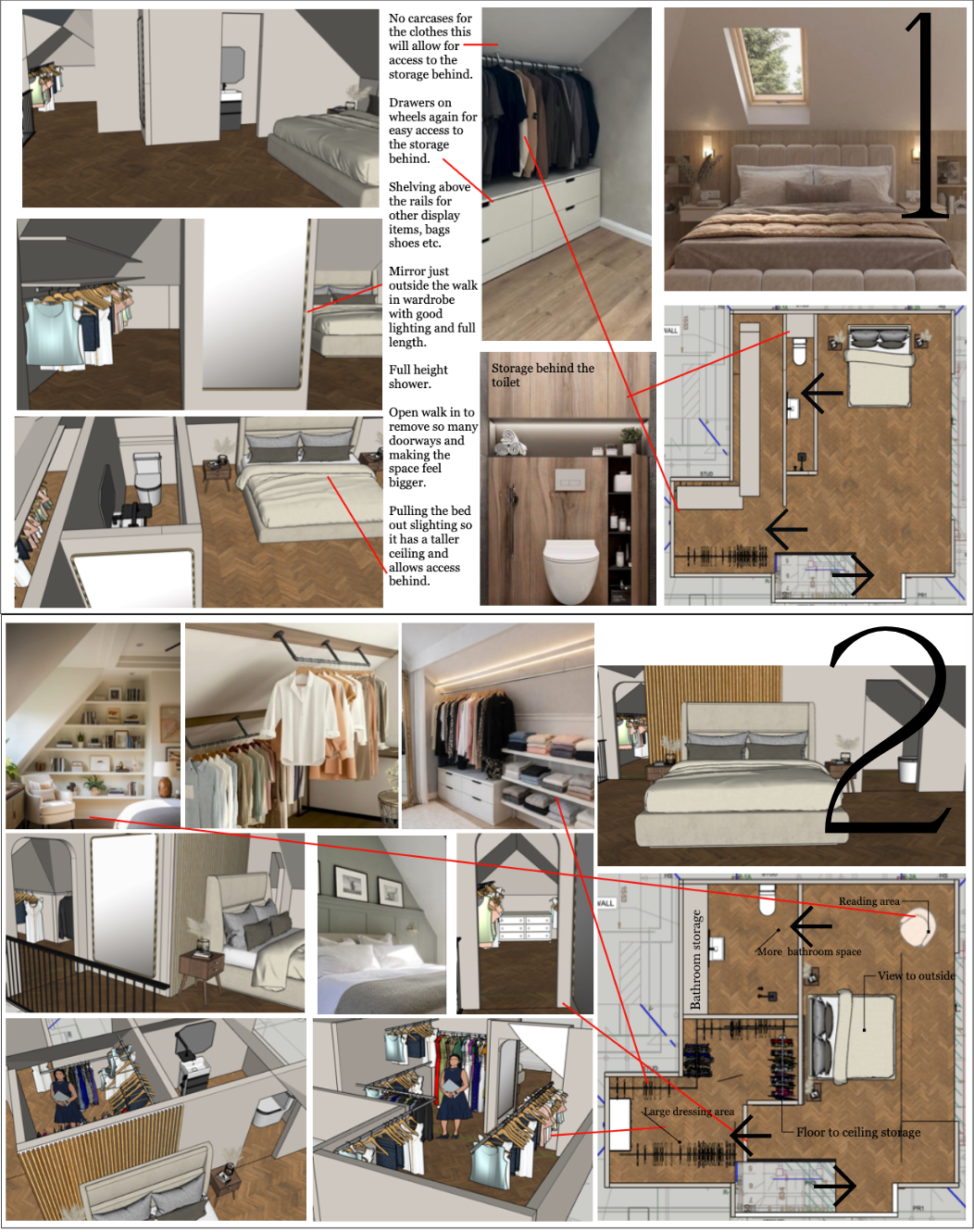
We develop 3 different options for our clients.
considered bespoke joiney and storage
I say it time and time again, but storage is one of the most important elements of a well-designed home, and it should never be overlooked.
Good storage is what allows you to create a home that feels organised, calm and free from unnecessary clutter. There’s something so lovely about being able to sit down in your living room at the end of a busy day, knowing everything has its place.
I'm a big believer that when storage is carefully tailored to you, your household and your daily routines, it can make such a difference to how your home feels and functions. Having a place for everything doesn't just keep your home looking tidy; it can also help reduce the everyday stress of clutter.
Think back to the questionnaire in Section 1. What items do you use regularly in each room? What needs to be easily accessible, and what could be tucked away? Understanding exactly what you need to store will help you create solutions that genuinely work for your lifestyle.
That being said, I'm also a big believer in having a good clear-out every six months. Take the time to go through your belongings and ask yourself whether you still need or use them. With so many platforms available to sell unwanted items, you could free up valuable space in your home while making a little extra money along the way!
Remember, good storage isn't necessarily about having more cupboards. It's about making the most of the space you have and designing it around what you actually need.
The example below is a bespoke storage unit we designed for our clients in Harpenden. Every section was carefully considered to accommodate their specific needs, helping to create a utility room that was not only practical and organised but tailored to the way their household functions.
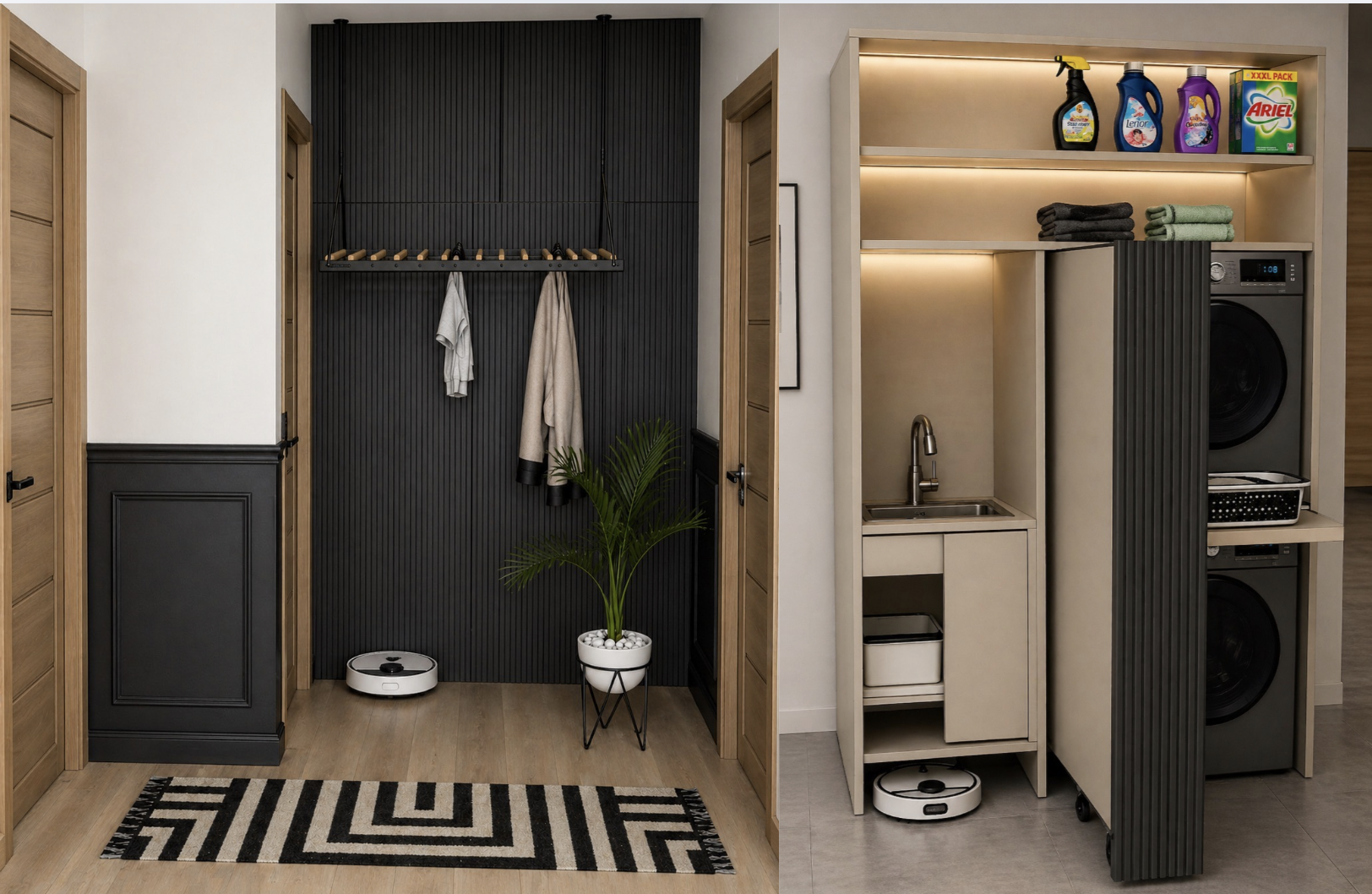
There is a clever cut-out in the cabinetry so the robotic hoover can come and go independently while staying neatly tucked away.
Planning Lighting and electrical positions.
There’s nothing more frustrating than moving into your beautifully renovated home and realising there isn’t a plug socket where you need one, or that a light switch is awkwardly positioned.
That’s why planning your electrical layout after your furniture layout is now the next important part of the design process.
Think about the three layers of lighting I often talk about. Each serves a different purpose, and carefully considering where they're positioned can completely transform how a room looks and feels.
And remember, spotlights don’t need to be arranged in a grid across your ceiling! Lighting should be positioned with purpose, whether that’s to illuminate a worktop, highlight a feature or create a softer atmosphere in the evening.
The same goes for sockets and switches. Think about where your furniture will sit, where you’ll charge your phone, which lights you’ll want to control together and how you’ll move around each room.
You’re investing so much into creating your home, so why not make sure every detail is tailored to the way you live?
It’s these decisions, made early in the process, that can make such a difference to how you experience your home every day.
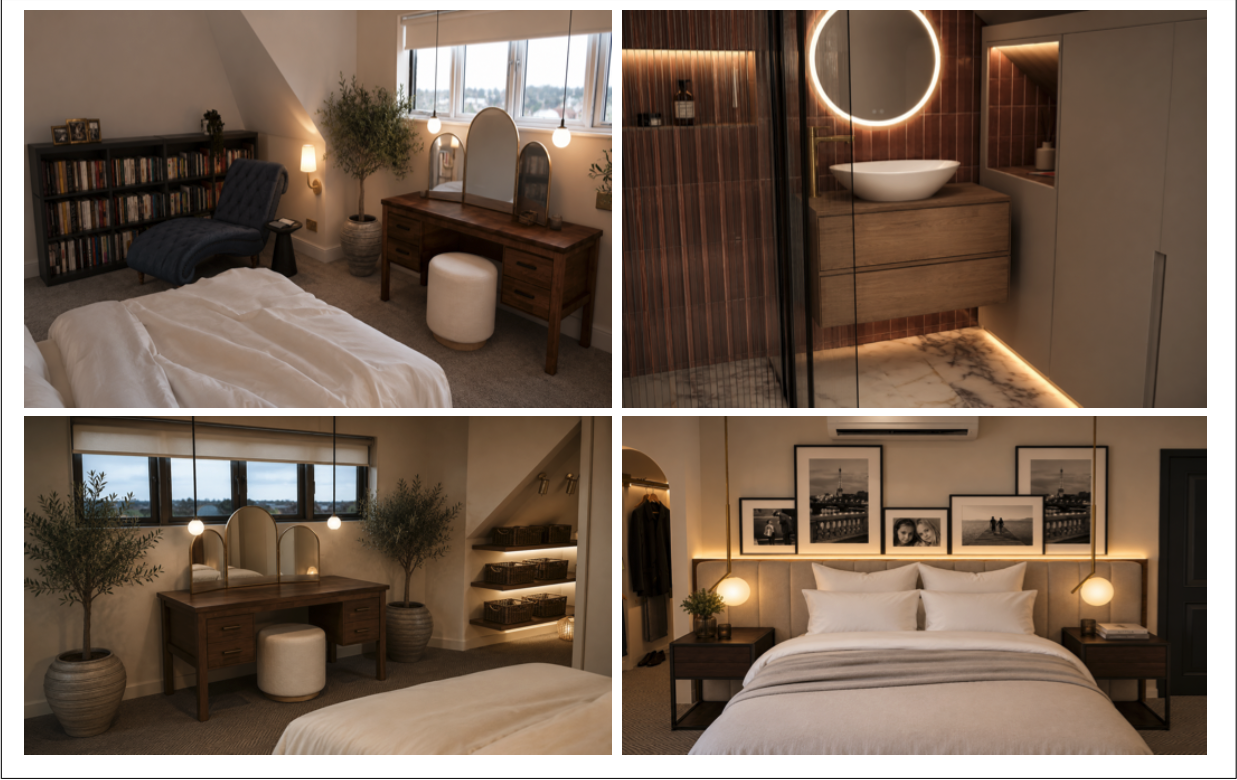
Lighting images
Establishing a realistic budget
Before starting any renovation, it's important to understand how much you're comfortable investing in your home and where that budget needs to be allocated.
Start by listing everything you want to achieve, from structural changes and new flooring to lighting, furniture and bespoke storage. From there, you can begin prioritising what's most important and researching realistic costs.
One thing I often encourage clients to consider is the finishing details. It's easy to focus your budget on the building work, kitchen and bathrooms, but what about the curtains, decorative lighting, furniture, mirrors and those smaller details that make a house feel like a home?
These elements shouldn't be an afterthought. They should be considered from the beginning so you can allocate enough of your budget to create a fully finished space.
I'd also recommend allowing a contingency for unexpected expenses, particularly when renovating older properties where surprises can arise once work begins.
My biggest piece of advice? Don't spend your entire budget getting the renovation finished, only to find there's nothing left to furnish and enjoy the space you've created.
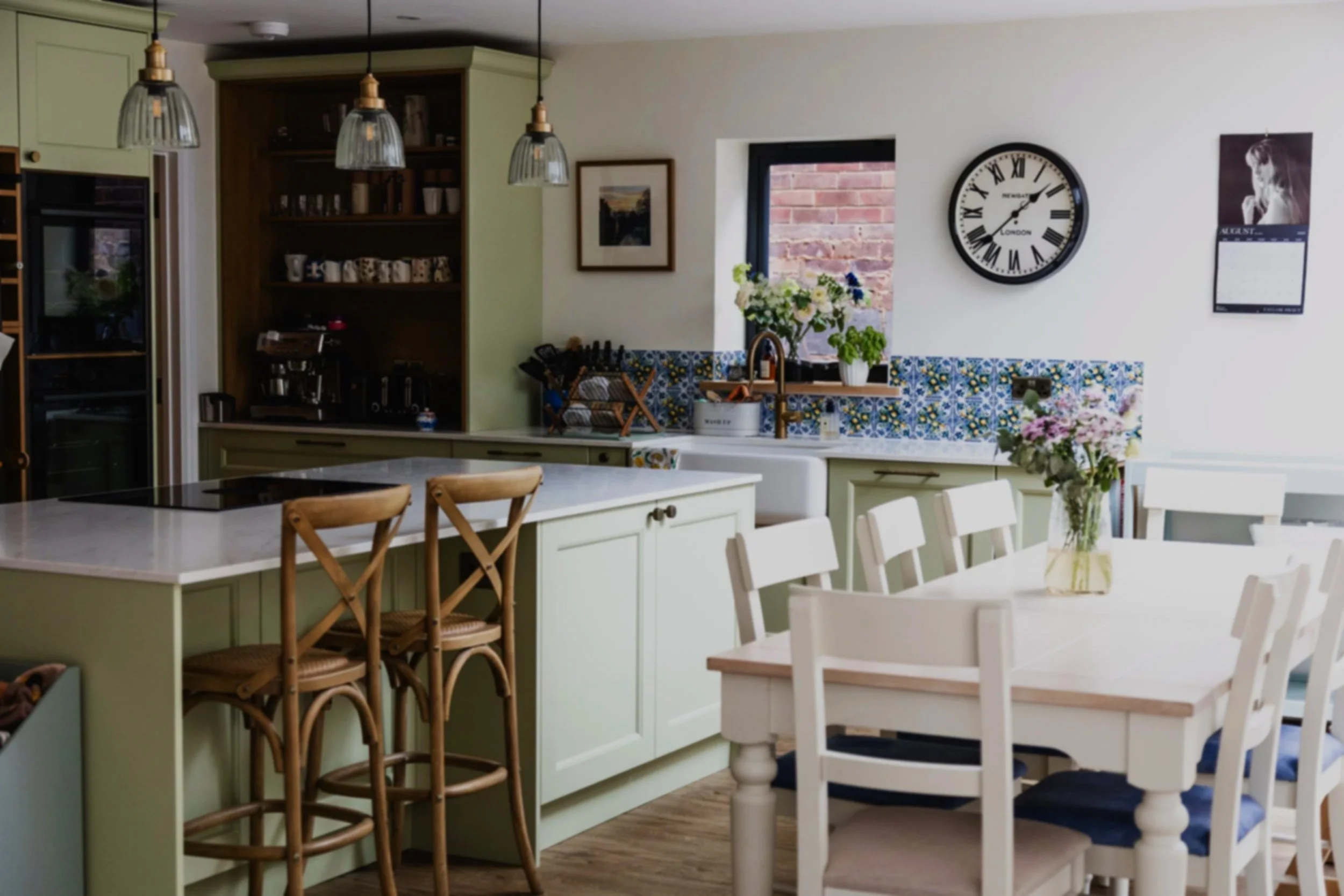
Every detail matters.
are you about to EXPLODE with all this INFORMATION?
Considering a renovation in Bedfordshire, Hertfordshire or the surrounding areas? At JCavaree Interiors, we help you make considered design decisions from the very beginning, creating homes that not only look beautiful but work effortlessly for everyday life.
Thank you for taking the time to read today’s blog! I hope you learnt lots and excited to start your renovation today!
Speak soon,